
Does Removing a Tree Increase or Decrease Property Value?
- Out on a Limb Tree Experts

- May 19
- 8 min read
Landscaping plays a monumental role in shaping the curb appeal and overall market value of your home. Trees, in particular, are often viewed as valuable assets that grow in beauty and worth over time. However, homeowners frequently face a critical dilemma: does removing a tree increase or decrease property value? The answer is rarely a simple yes or no, as it depends heavily on the tree's health, location, species, and structural integrity. Understanding how tree removal impacts your equity ensures you make informed, financially sound decisions for your landscape.
Mature, healthy trees can add significant financial value to a residential property. They offer shade, reduce energy bills, and create an established, welcoming aesthetic that buyers love. Conversely, a diseased, dead, or poorly placed tree can instantly become a massive liability. In this comprehensive guide, we will break down the financial nuances of tree removal, helping you determine whether clearing a tree will protect your investment or inadvertently slash your home's asking price.
The Financial Power of Trees in Residential Landscaping
To understand whether removing a tree hurts your bottom line, it is essential first to recognize how much value trees contribute to a property. Real estate experts widely agree that professional landscaping can boost overall home value by anywhere from 5% to 15%. Mature trees make up a substantial portion of this equity because they cannot be easily replaced. A sapling planted today will take decades to provide the same visual and environmental benefits as a 50-year-old oak or maple.
Trees act as natural architecture for your yard, framing the house and masking structural imperfections. They soften harsh property lines and provide a sense of privacy from neighbors, which is a highly sought-after feature in suburban markets. When a buyer drives up to a home framed by lush, healthy canopy growth, a positive emotional connection is formed before they even step through the front door.
Beyond aesthetics, trees function as functional infrastructure. The shade provided by strategically placed broadleaf trees on the south and west sides of a house can lower indoor cooling costs by up to 30% during hot summer months. In the winter, evergreen windbreaks block freezing gusts, easing the burden on your heating system. When you consider these compounding benefits, it becomes clear that arbitrary tree removal can result in a direct, quantifiable loss of property value.
When Does Removing a Tree Increase Property Value?
While living greenery is generally an asset, there are several scenarios where choosing to eliminate a tree is the most financially advantageous move. In these situations, keeping the tree actively depreciates your home's worth or sets you up for catastrophic expenses down the line.
1. Eliminating Immediate Structural Threats

The most compelling reason to remove a tree is to protect your home's physical integrity. Does removing a tree increase or decrease property value when roots threaten your foundation? It absolutely increases it by eliminating a structural defect. Large, aggressive root systems can infiltrate sewer lines, crack concrete driveways, and lift foundation slabs, leading to tens of thousands of dollars in structural repairs.
Furthermore, overhanging branches that scrape against your roof can destroy shingles, invite wood rot, and provide an easy highway for pests like squirrels and carpenter ants into your attic. If a home inspector notes that a massive tree is actively damaging or threatening the home, its removal immediately restores and protects the property's marketability.
2. Eradicating Disease and Preventing Tree Hazards
Dead, dying, or severely diseased trees are ticking time bombs. A tree suffering from advanced fungal decay or structural instability poses a severe safety hazard. During high winds, heavy snow, or ice storms, compromised limbs-or the entire trunk-can come crashing down on your home, vehicles, or a neighbor’s property.
Buyers and appraisers view dead trees as immediate financial liabilities because the cost of emergency hazardous tree removal will fall squarely on them after closing. Removing these hazards proactively clears the property of dangerous liabilities, improving safety and boosting buyer confidence.
3. Improving Curb Appeal and Eliminating Overcrowding
Sometimes, an overabundance of trees can suffocatingly enclose a property, blocking all natural light from entering the home's windows. This creates a dark, gloomy interior and prevents grass or other desirable landscaping plants from growing due to excessive shade and nutrient competition.
If your front yard is completely obscured by dense, overgrown, or low-value self-seeded trees, strategic removal can open up the view. This process reveals the architectural beauty of your home, brightens indoor living spaces with natural sunlight, and significantly enhances overall curb appeal.
When Does Removing a Tree Decrease Property Value?
Conversely, chopping down a tree without a clear, strategic reason can severely damage your property’s appraisal value and market appeal. In many neighborhoods, mature trees are the defining characteristic that drives up premium pricing.
The Loss of Premium Mature Canopy
If you remove a healthy, structurally sound, historical, or highly desirable tree-such as a mature Oak, Magnolia, or Japanese Maple-you are stripping away an irreplaceable asset. Appraisers look at neighborhood context; if nearby homes boast beautiful, tree-lined yards and your lot is completely stripped bare and sun-scorched, your home may appraised for less than its competitors.
A barren lot lacks character, feels exposed to public view, and can make the surrounding outdoor spaces feel uncomfortably hot and uninviting. The loss of privacy alone can deter a large segment of family buyers who prioritize secluded backyards for their children and pets.
Tree Removal Increases Value If: | Tree Removal Decreases Value If: |
The tree is dead, dying, or severely diseased. | The tree is healthy, mature, and structurally sound. |
Roots are actively cracking the foundation or plumbing lines. | The tree provides vital privacy from neighbors or busy roads. |
Large branches overhang the roof, posing an immediate storm hazard. | The tree contributes significant aesthetic beauty and curb appeal. |
The landscape is heavily overcrowded, blocking all sunlight. | The tree naturally lowers home energy bills via strategic shade. |
Evaluating the Financial Factors: Costs vs. Returns
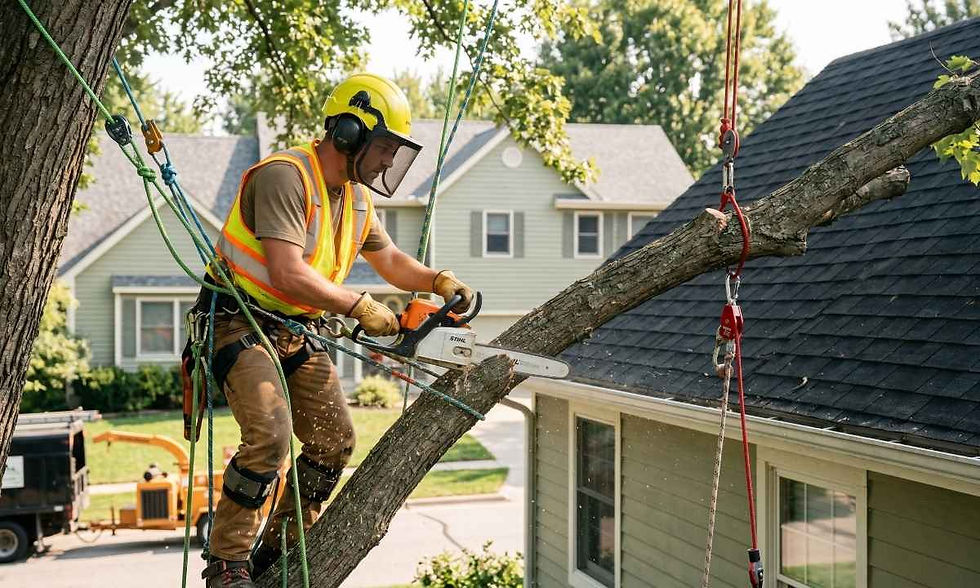
Before booking a tree cutting service, homeowners must weigh the upfront cost of tree removal against the projected change in home equity. Tree removal is a highly technical, dangerous task that requires specialized equipment, insurance, and expertise, meaning it carries a noticeable price tag.
Calculating the ROI of Strategic Removal
The financial equation changes based on the condition of the tree. Spending $1,500 to remove a massive, rotting oak tree that is leaning toward your living room does not technically "add" a premium to your home value, but it prevents a catastrophic $40,000 structural loss and eliminates a major deduction during the appraisal process. In this case, the return on investment (ROI) is measured in liability prevention.
On the other hand, spending money to remove a healthy tree simply because you do not want to rake leaves in the autumn is often a double loss. You pay out-of-pocket for the professional arborist services, and you simultaneously lower the valuation of your landscape design.
The Hidden Value of Professional Arborist Assessments
To maximize your property value, always consult a certified arborist before making a final decision. An expert can assess whether a sickly tree can be saved through targeted tree trimming, deep-root fertilization, or pest management. Preserving a mature tree through professional care is almost always more cost-effective and beneficial to your property value than paying for its total elimination and stump grinding.
Choosing the Right Trees for Long-Term Property Value
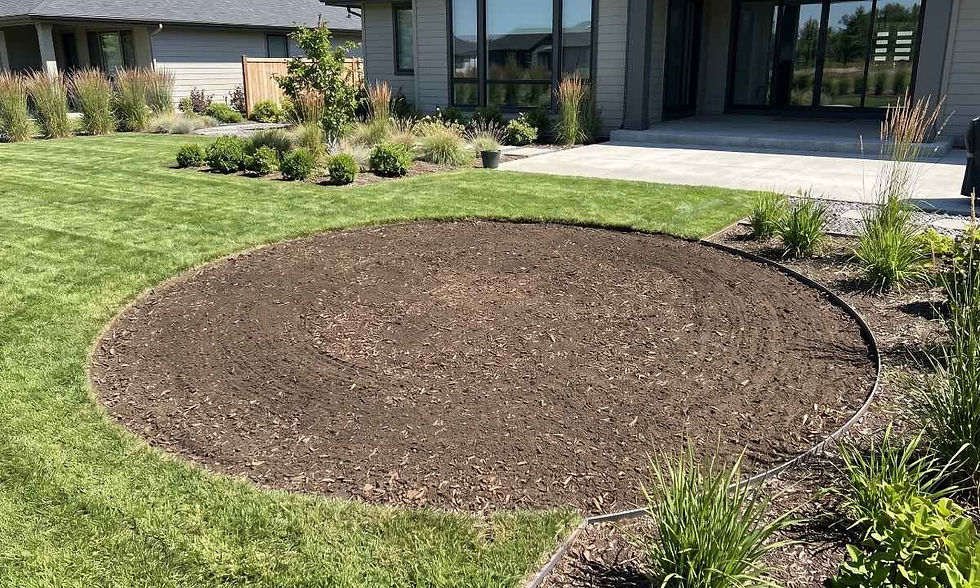
If you must remove a problematic tree, you can offset the temporary drop in property value by executing a smart replanting strategy. Replacing a hazardous tree with a well-chosen, non-invasive species demonstrates forward-thinking property maintenance that future buyers will appreciate.
When selecting replacement trees, prioritize species that are native to your region, as they require less water, are more resilient to local weather extremes, and are highly resistant to local pests. Avoid species with notorious reputations for weak wood or invasive roots, such as Willows, Poplars, or Bradford Pears. Instead, opt for slow-growing, sturdy varieties that offer beautiful seasonal color, structured growth habits, and predictable root patterns.
Additionally, consider the scaling and placement of your new additions. Plant large shade trees at a safe distance-at least 20 to 30 feet away-from your home's foundation, driveway, and underground utility lines. Use smaller ornamental trees closer to walkways or patios to add layers of texture and color without risking future structural damage.
Tree Preservation and Maintenance: The Best Way to Protect Value
The absolute best way to ensure your trees remain high-value assets rather than costly liabilities is through consistent, proactive tree preservation. Neglecting your landscape for years allows minor structural defects or mild pest infestations to evolve into terminal issues that mandate removal.
The Crucial Role of Regular Tree Trimming
Scheduling periodic tree trimming with a qualified tree cutting service keeps your canopy clean, safe, and beautiful. Professional trimming removes deadwood, thins out dense areas to allow wind to pass through safely, and corrects structural imbalances before they cause limbs to snap.
Soil Management and Root Protection
Healthy soil equals a healthy tree. Avoid compacting the soil around the critical root zone of your trees with heavy machinery or excessive construction paving. Adding a thick layer of organic mulch around the base of the tree-while keeping it clear of the trunk bark-helps retain vital moisture, regulates soil temperature, and keeps lawnmowers from nicking and wounding the surface roots.
Frequently Asked Questions
Does removing a large tree reduce home insurance premiums?
In some cases, yes. If a massive tree has large branches overhanging your roof or shows signs of decay, insurance companies view it as a high-risk hazard for storm damage. Removing a documented hazardous tree can eliminate mandatory insurance surcharges or prevent a policy non-renewal. However, removing a healthy tree situated safely away from structures will generally have no impact on your insurance premiums.
Can I remove a tree on my property line without permission?
Legally, you cannot remove a tree if the trunk sits squarely on the property line shared with a neighbor without their explicit, written consent. Boundary trees are considered co-owned property. Cutting one down unilaterally can result in severe legal penalties and timber trespass lawsuits. If only the branches overhang your line, you generally have the right to trim them back to the property boundary, provided the pruning does not kill or permanently destabilize the tree.
How much value does a single mature tree add to a home?
Depending on the size, health, species, and location, a single exceptional mature tree can add anywhere from $1,000 to over $10,000 to a residential property's appraised value. Trees located in front yards that directly establish the home’s curb appeal typically command the highest financial valuation from real estate appraisers.
Is stump removal necessary after cutting down a tree?
Yes, investing in complete stump grinding and removal is highly recommended if you want to maintain or increase your property value. Leaving a raw tree stump behind creates an immediate eyesore that mars your landscaping. Furthermore, decaying stumps actively attract wood-boring pests like termites, carpenter ants, and fungi, which can eventually migrate from the yard straight into your home’s wood foundation.
Conclusion: Balancing Safety, Aesthetics, and Equity
So, does removing a tree increase or decrease property value? Ultimately, the financial impact hinges on the specific health and placement of the tree in question. Removing a dead, diseased, or foundation-threatening tree protects your asset, eliminates dangerous liabilities, and increases your home’s marketability. Conversely, chopping down a healthy, beautiful, mature shade tree can instantly strip away thousands of dollars in curb appeal, natural energy efficiency, and premium neighborhood value.
Managing a residential landscape requires a careful balance of aesthetic vision, safety awareness, and long-term financial strategy. Rather than guessing and risking your hard-earned home equity, rely on professional expertise to guide your landscaping choices.
Are you unsure whether a tree on your property is a valuable asset or a dangerous liability? Let the certified professionals at Out on a Limb Tree Experts help you make the right choice. Our expert team provides comprehensive tree assessments, precision tree trimming, and safe, efficient tree removal services tailored to protect your home’s long-term value. Contact Out on a Limb Tree Experts today to schedule your professional property consultation!


Comments