

Tree removal costs in St. Thomas, Ontario: What drives the price and when to save

Andrew
What drives the cost, when it's fair, and when trimming saves you the bigger bill.
If you're staring at a tired maple over the garage or a spruce by the fence, you want a straight answer, not a number that shifts after the truck shows up.
Here's how tree removal pricing actually works in St. Thomas and across London, Strathroy, and the rest of Southwestern Ontario: the real factors that move a quote up or down, and no surprise add-ons after the work begins.
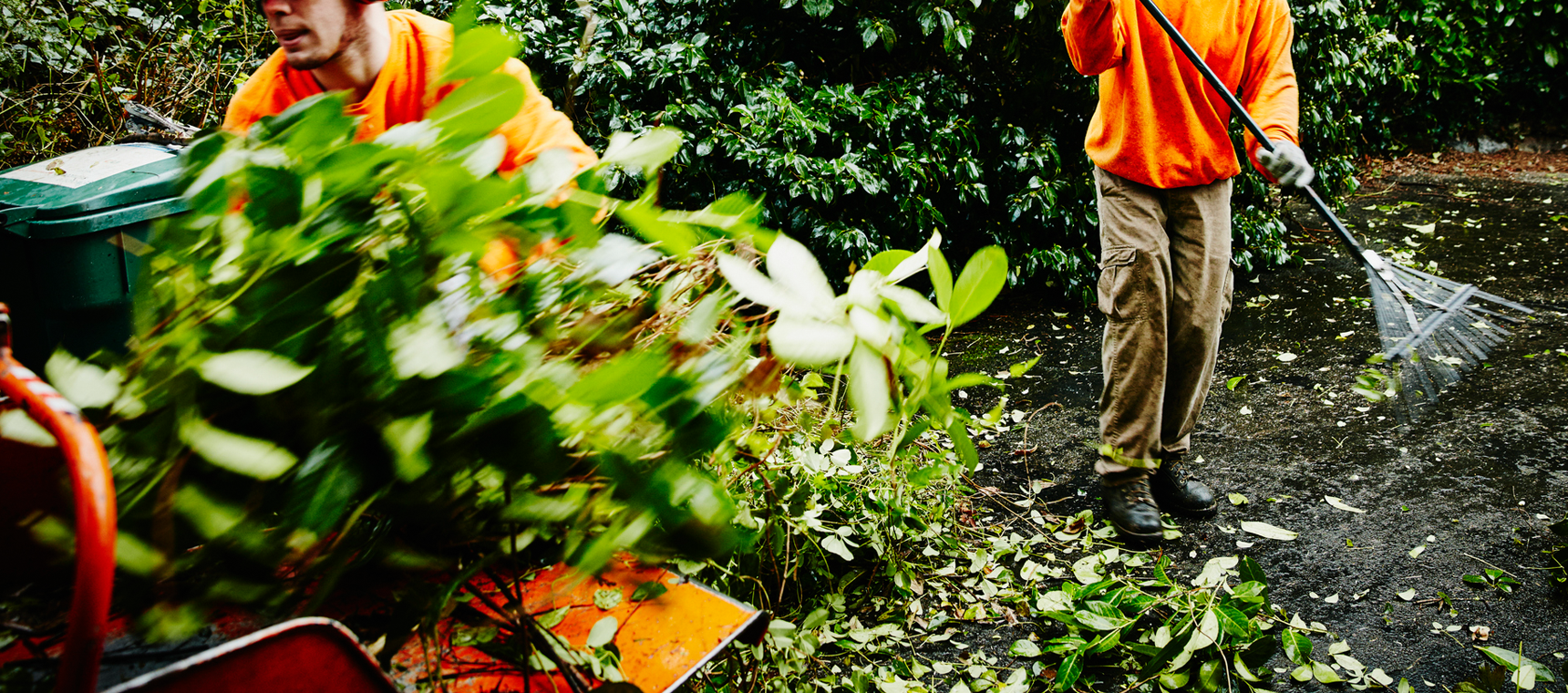
We include full cleanup and stump grinding in our removal quotes. That matters, because a lot of quotes look cheap right up until the wood, debris, or the stump turns into a separate bill.
What drives the cost in our region
Every job is site-specific, but four things set most of the price:
- Size and species. Taller trees and dense hardwoods (oak, maple) take longer to dismantle than smaller ornamentals or softer species like poplar.
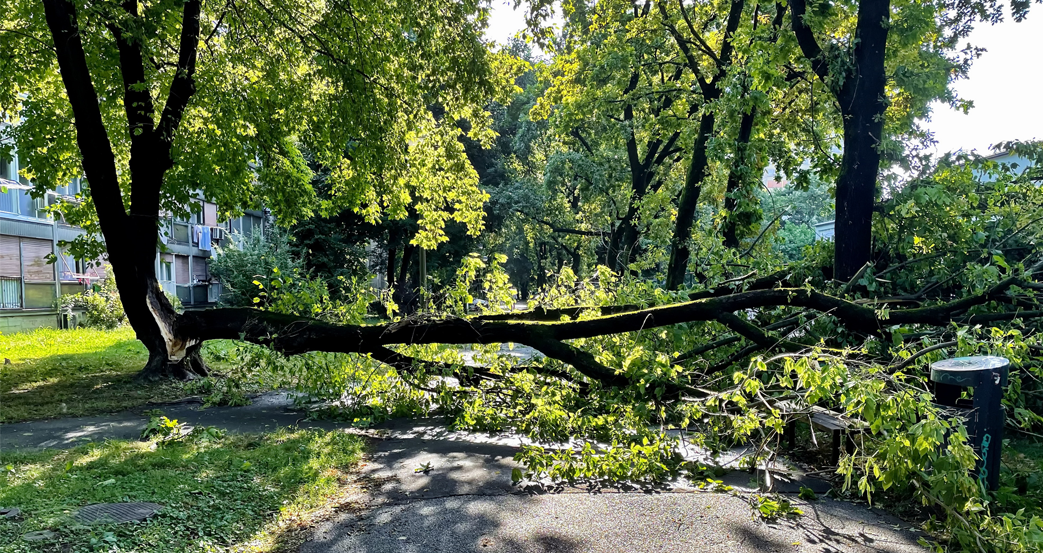
- Condition and lean. Dead, hollow, storm-damaged, or leaning trees need slower, controlled rigging.
- Location and access. Tight laneways, backyard-only access, decks, sheds, fences, and gardens add rigging and haul-out time. Street access with a bucket truck is faster than hand-carrying through a gate — see how we use bucket truck access to keep jobs efficient.
- Hazards on site. Proximity to homes, garages, fences, sheds, neighbour yards, or hydro lines changes the plan. Work near live power requires different clearances and extra care.
Those variables guide whether we climb, bring the bucket truck, rig over structures, or in rare cases bring in outside equipment. The safest method that protects the property wins, every time.
What tree removal typically costs around St. Thomas
Pricing across our region varies a lot by size, access, and condition, but as a general guide, homeowner tree removal in Southwestern Ontario typically falls somewhere between a few hundred dollars for a small, easy-access tree and several thousand for a large hazardous removal near structures. Multi-tree jobs on the same property usually come down in per-tree cost, since setup is shared. We don't split out stump grinding or cleanup as separate line items — if we're removing your tree, your yard should be ready to enjoy when we leave.
Every property is different, so the only way to get a number you can trust is a free on-site assessment. That's the fastest way to a real quote, and it's the only quote we'll stand behind.
Trimming vs. removal: which is right, and when
Trimming or pruning is almost always the lower-cost option in the short term, and good pruning extends a tree's life, reduces storm calls, and protects roofs, sheds, and parking areas.
Remove a tree when it's unsafe, too close to structures, diseased past saving, or wrong for the site long-term. If a tree is healthy but oversized, trimming is usually the better spend. If the trunk shows fungus at the base, heavy deadwood aloft, bark splits, or a sudden lean, get it assessed before wind makes the decision for you.
Access, hydro lines, and safety
Hydro clearance changes the plan. If branches are on or near live lines, call the utility first — once the power side is confirmed safe, we can complete the work. Jobs beside houses, garages, fences, and play spaces often call for controlled lowering and ground crews to protect surfaces, gardens, and neighbouring yards.
If you're comparing quotes, ask what equipment will be used, how the crew protects the property, and whether cleanup and the stump are actually included. Insured, WSIB-covered work with controlled rigging isn't the same as a cut-and-run.
Multi-property and portfolio work
If you manage a condo corporation, rental portfolio, or commercial property, grouping tree work across a site — or clearing a lot ahead of a build — cuts per-tree setup costs and keeps everything on one predictable schedule. Here's how we handle ongoing condo and property management tree work, and what's involved in larger lot clearing projects.
Cheapest times of year and how to budget
Pricing is workload-driven. Late winter into early spring is often the most cost-effective time for non-urgent removals and pruning, since schedules have more room and dormant trees make ground protection easier. Late fall can also be a good window once peak summer calls ease.
Permits in St. Thomas and across Southwestern Ontario
Some municipalities require permits for larger trees or trees on public rights-of-way. Rules vary by town across Elgin and Middlesex Counties. Before any removal, we help confirm what's required so you don't get caught in the middle. It's faster to check than to restart a job after a stop order.
Our quoting promise
You get one clear quote, usually within 24 hours. It includes:
- Safe dismantling using the right access method
- Full cleanup, brush and log removal
- Stump grinding and tidy backfill
- No surprise line items after work starts
If we miss your call, expect a same-day call-back.
Quick FAQ
How much does it cost to remove a tree in St. Thomas, Ontario?It depends on the tree's size, species, condition, access, and any hazards on site. Cleanup and stump grinding are included in our quotes, with no separate line items. Request a free on-site assessment for a number specific to your property.
Is trimming cheaper than removal?Yes, in most cases. Trimming can delay or avoid removal entirely when the tree is healthy and well-placed.
What's the cheapest time of year for tree removal?Late winter into early spring is usually the best window for non-urgent work. Late fall can also offer more scheduling flexibility.
Do I need a permit to remove a tree in Ontario?It depends on the municipality and the tree's size or location. Rules vary across Elgin and Middlesex Counties. We help confirm requirements before work starts.
Summary
Fair pricing comes down to size, species, condition, access, and hazards. Trim when it preserves a healthy tree; remove when risk or location makes it the safer long-term call. If you want a straight answer and a clean yard when we're done, ask for a no-pressure assessment. We'll confirm permits if needed and send a clear, all-in quote within 24 hours.
Got a tree that needs attention?
Get a straight answer and a fair quote usually within 24 hours.