

The best time of the year to prune your trees

Andrew Griffiths
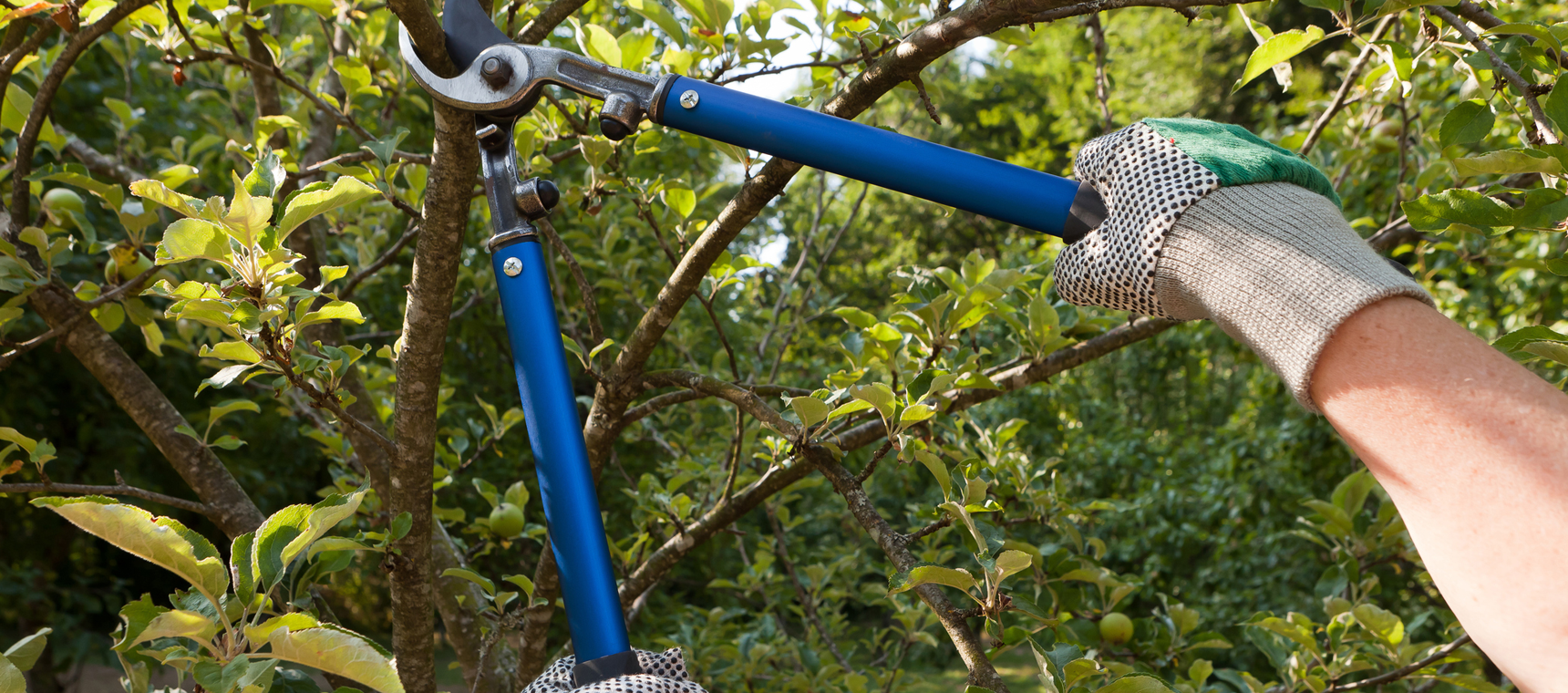
Pruning at the wrong time of year can do more harm than good. Timing depends on the tree species, the reason for pruning, and the season across St. Thomas and Southwestern Ontario, but a few general rules apply to almost every tree on a typical property.
Late winter is the safest window for most trees
Most deciduous trees are best pruned in late winter, while they're still dormant and before new growth starts. Without leaves in the way, it's easier to see the tree's structure, and cuts made during dormancy heal faster once spring growth resumes.
Why summer pruning has its place too
Light summer pruning can help control size and shape, and it's the right time to remove crossing or damaged branches you couldn't see clearly in winter. It's not the time for heavy structural cuts, since a tree in full leaf is already working hard to support itself.
The season to avoid almost entirely
Fall pruning is generally discouraged. Cuts made in autumn heal more slowly heading into winter, and pruning can trigger a late flush of tender new growth that gets damaged by the first hard frost.
Species-specific timing matters
Some species, like maples and birches, bleed sap heavily if pruned in late winter or early spring, which looks alarming but usually isn't harmful. Oaks are safest pruned in late winter to avoid attracting the beetles that spread oak wilt during warmer months.
When timing rules go out the window
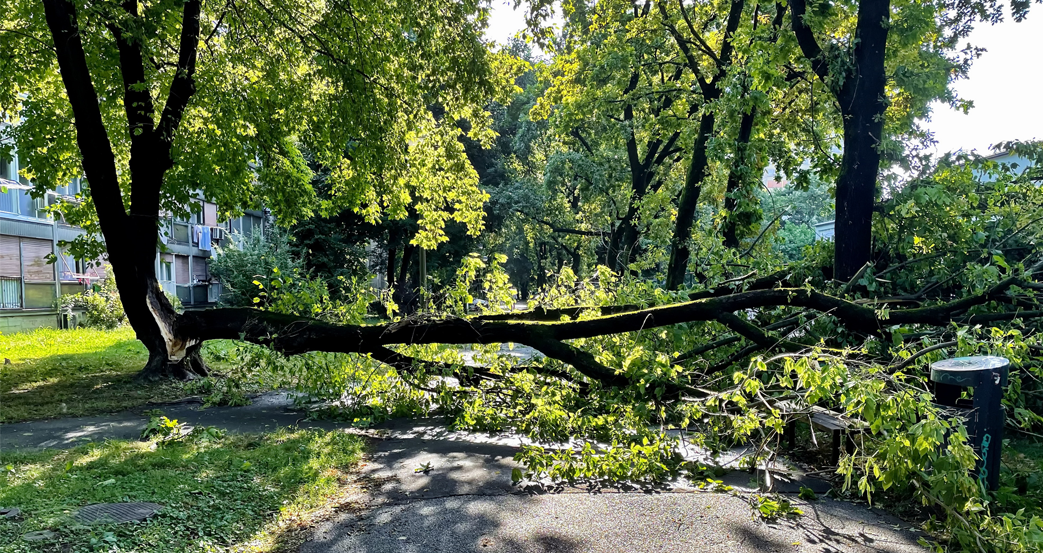
Dead, diseased, or hazardous branches should come down as soon as they're spotted, regardless of season. Waiting for the right time to prune isn't worth the risk when a limb is already a hazard.
If it's time for a trim, or you're not sure which season is right for your trees, Out On A Limb can build a pruning plan around what your property actually needs.
Got a tree that needs attention?
Get a straight answer and a fair quote usually within 24 hours.