

How to tell if a tree is dying or dead?

Andrew Griffiths
A tree that's dying doesn't always look obviously sick. Some warning signs are easy to miss, and others get dismissed as normal wear and tear. Here's what actually points to a tree in trouble versus one that's just having an off-season.
Check the bark first
Peel back a small section of bark on a suspect branch. Green, moist tissue underneath means the branch is alive. Brown, dry, and brittle tissue means that section is dead, and it's worth checking a few more spots to see how far the damage extends.
Look at the canopy as a whole
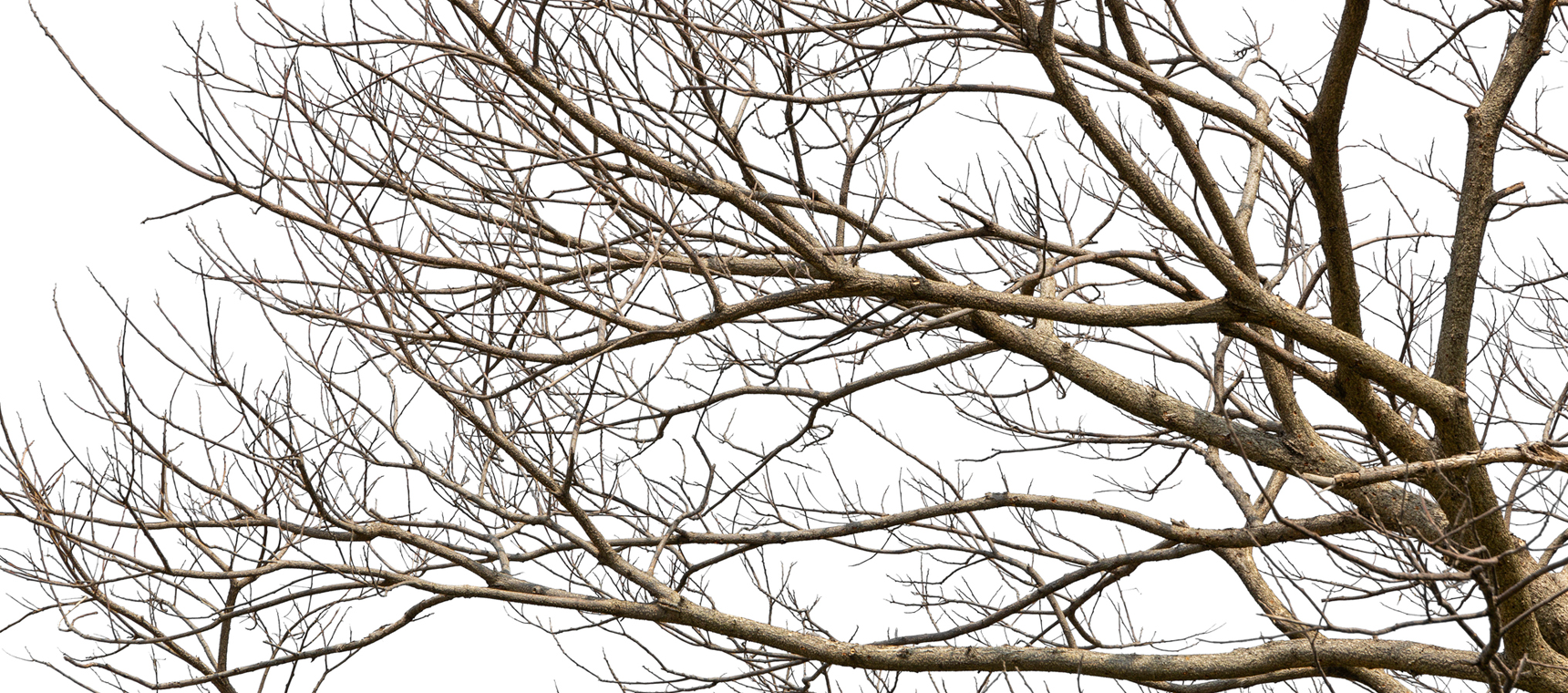
Thinning leaves, branches with no leaves at all while the rest of the tree looks fine, and leaves that are smaller or more sparse than in previous years are all signs of a tree under serious stress.
Fungus at the base is a red flag
Mushrooms or fungal growth at the base of the trunk or on major roots usually means internal decay, which weakens the structure long before it becomes visible from the outside.
A tree can look fine from the street and still be structurally compromised underneath
Cracks, splits, and leaning are urgent
A new lean, a vertical crack in the trunk, or bark that's splitting away from the wood are all signs the tree's structural integrity is failing, not just its health.
When in doubt, get it assessed
Not every stressed tree is dying, and not every dying tree needs to come down immediately. A professional assessment is the fastest way to know whether a tree needs monitoring, treatment, or removal.
If you're not sure whether a tree on your property is dying or just stressed, Out On A Limb can take a look and tell you exactly where it stands.
Got a tree that needs attention?
Get a straight answer and a fair quote usually within 24 hours.