

Does home insurance cover tree removal?

Andrew Griffiths
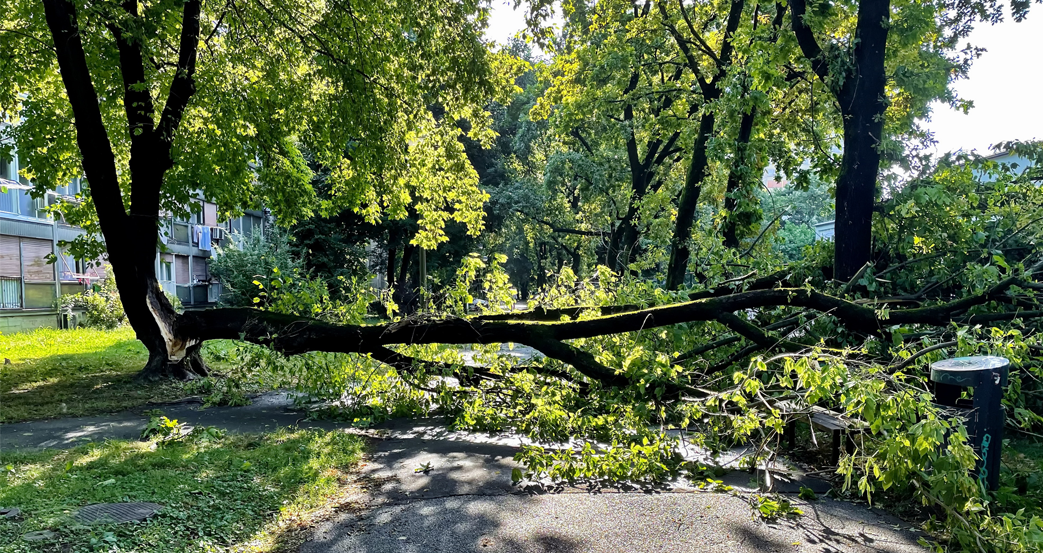
In most cases, home insurance covers tree removal only when the tree falls due to a covered peril, like wind, storm, or lightning, and causes damage to a structure. If a healthy tree simply falls with no storm involved, or a dead tree comes down on its own, coverage gets a lot less certain.
When insurance typically says yes
If a storm knocks a tree onto your house, garage, or fence, most standard homeowner policies cover both the property damage and the cost of removing the tree from the structure, up to a set dollar limit.
When insurance typically says no
If a tree falls in your yard without hitting anything, most policies won't cover removal. The same is often true if the tree was already dead or diseased and a claims adjuster decides the damage was preventable through basic maintenance.
The detail most homeowners miss
Insurers often distinguish between a tree that falls because of a storm and a tree that falls because it was neglected. A dead or hazardous tree left untreated can actually work against a claim rather than support one.
The best time to deal with insurance and a dangerous tree is before it falls, not after.
What to do if a tree does come down
Photograph the damage before anything is moved, contact your insurer promptly, and get a written assessment from a tree service documenting what happened and why. That documentation matters if the claim gets questioned.
The real takeaway
Removing a hazardous tree proactively is almost always cheaper than dealing with the aftermath of it falling, insurance or not. A policy is a backstop, not a substitute for catching a problem tree early.
If you have a tree that looks like it could become an insurance problem, Out On A Limb can assess it before the next storm does.
Got a tree that needs attention?
Get a straight answer and a fair quote usually within 24 hours.