

How to prepare your trees before storm season

Andrew Griffiths
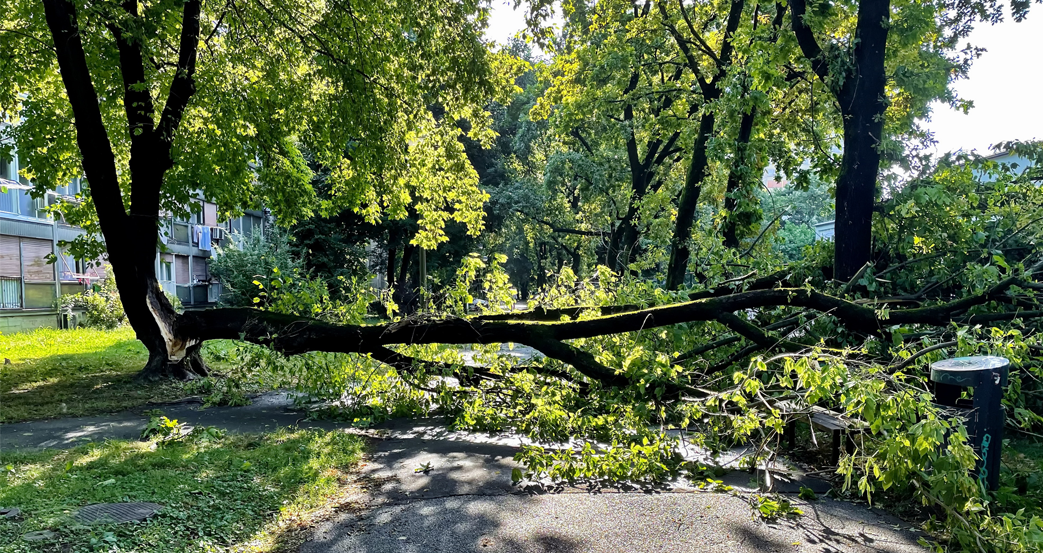
Storm season across Southwestern Ontario brings high winds and heavy rain that can turn an unstable tree into a real hazard fast. A bit of preparation before the season starts can be the difference between a close call and a call to your insurance company.
Get dead wood out of the canopy
Dead and dying branches are the first thing to come down in high wind, since they don't have the flexibility live wood has. Clearing them out before storm season removes the easiest hazard to prevent.
Look for leaning or recently shifted trees
A tree that's started leaning, or one where the ground around the base looks disturbed or heaved, may have compromised roots. That kind of tree can fail in wind that a healthy tree would shrug off.
Thin a dense canopy
A canopy that's too thick catches more wind, acting almost like a sail. Selective thinning lets wind pass through the tree instead of against it, reducing the load on the trunk and root system
The trees that fail in a storm usually showed warning signs weeks or months before it hit.
Check what's in the fall zone
Look at what sits within falling distance of larger trees on the property, roofs, vehicles, fences, power lines, and decide whether any of it is worth addressing before storm season rather than after.
Book the assessment before the forecast gets bad
Tree companies get flooded with calls the moment a storm warning goes out. Getting hazardous trees assessed and addressed in the calm weeks before storm season means avoiding that rush entirely.
Out On A Limb can walk your property before storm season and flag anything worth addressing early.
Got a tree that needs attention?
Get a straight answer and a fair quote usually within 24 hours.